Leiden-Delft-Erasmus-East Africa Research Network – Fostering collaboration for Impactful Urban Research
LEARN Symposium 2026 Report
The second LEARN Symposium convened on 03–05 June 2026 in Kigali, Rwanda, bringing together academics, policymakers, civil society actors, private sector representatives, and communities from Kenya, Uganda, Tanzania, Rwanda, Ethiopia, Burundi, and the Netherlands. Co-hosted by the University of Rwanda and organised by LDE Global, the symposium examined how East African cities are transforming neighbourhoods into more sustainable, inclusive, and resilient spaces and advanced LEARN’s governance and research agenda.
Rapid urbanization and mounting climate pressures, innovative, interdisciplinary research is crucial to building resilient and equitable cities. Since its launch in December 2024 in Nairobi, the LEARN Master’s Thesis Lab has brought together Kenyan and Dutch master’s students in a collaborative setting that bridges academic research and practical application.
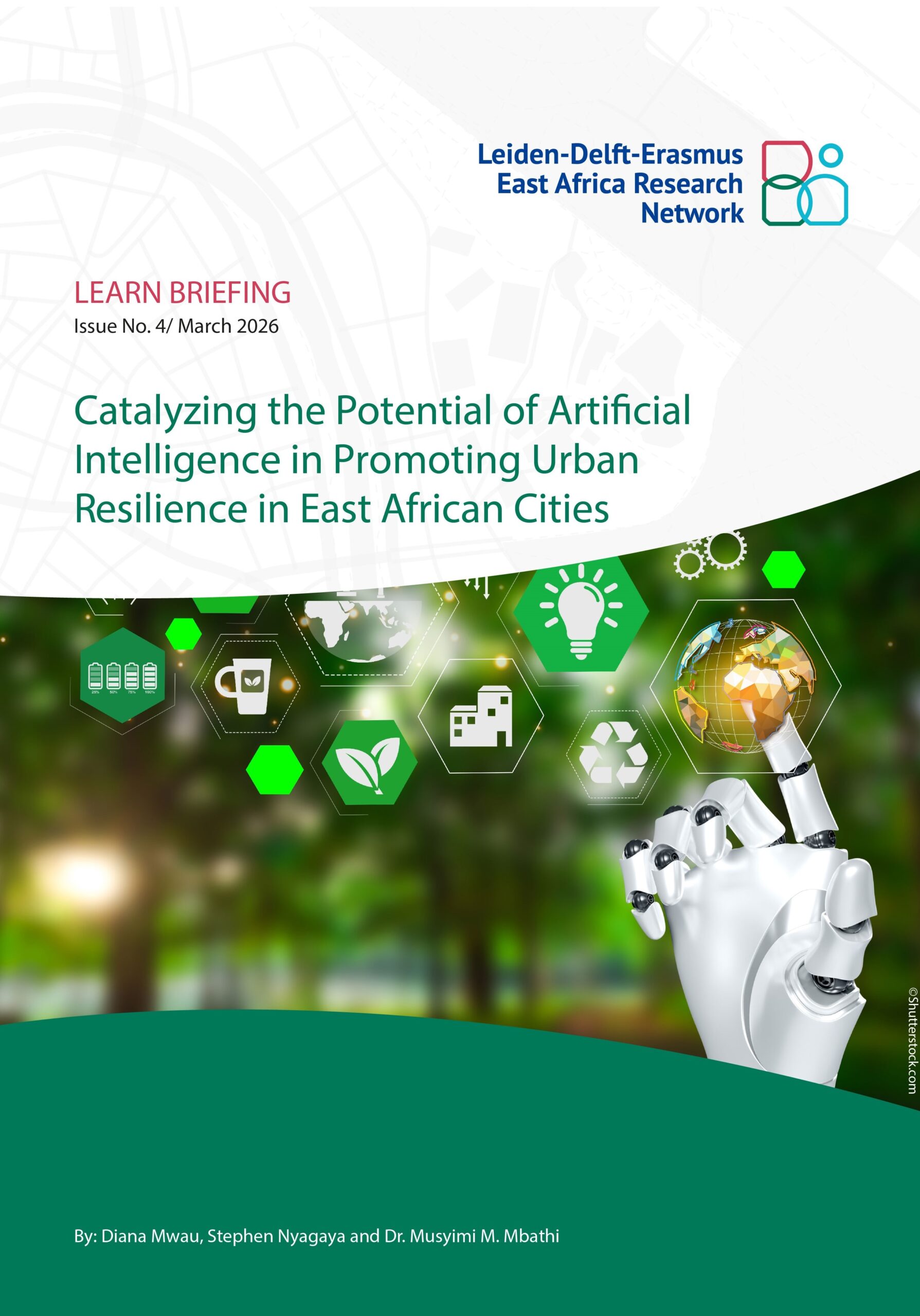
Catalyzing the Potential of Artificial
Intelligence in Promoting Urban
Resilience in East African Cities
AI offers powerful tools for predictive analytics, resource optimization, and enhanced decision-making in disaster management, infrastructure planning, and public service delivery. However, realizing this Potential requires moving beyond importing foreign models and confronting foundational challenges including fragmented data ecosystems, digital divides, and ethical governance gaps.
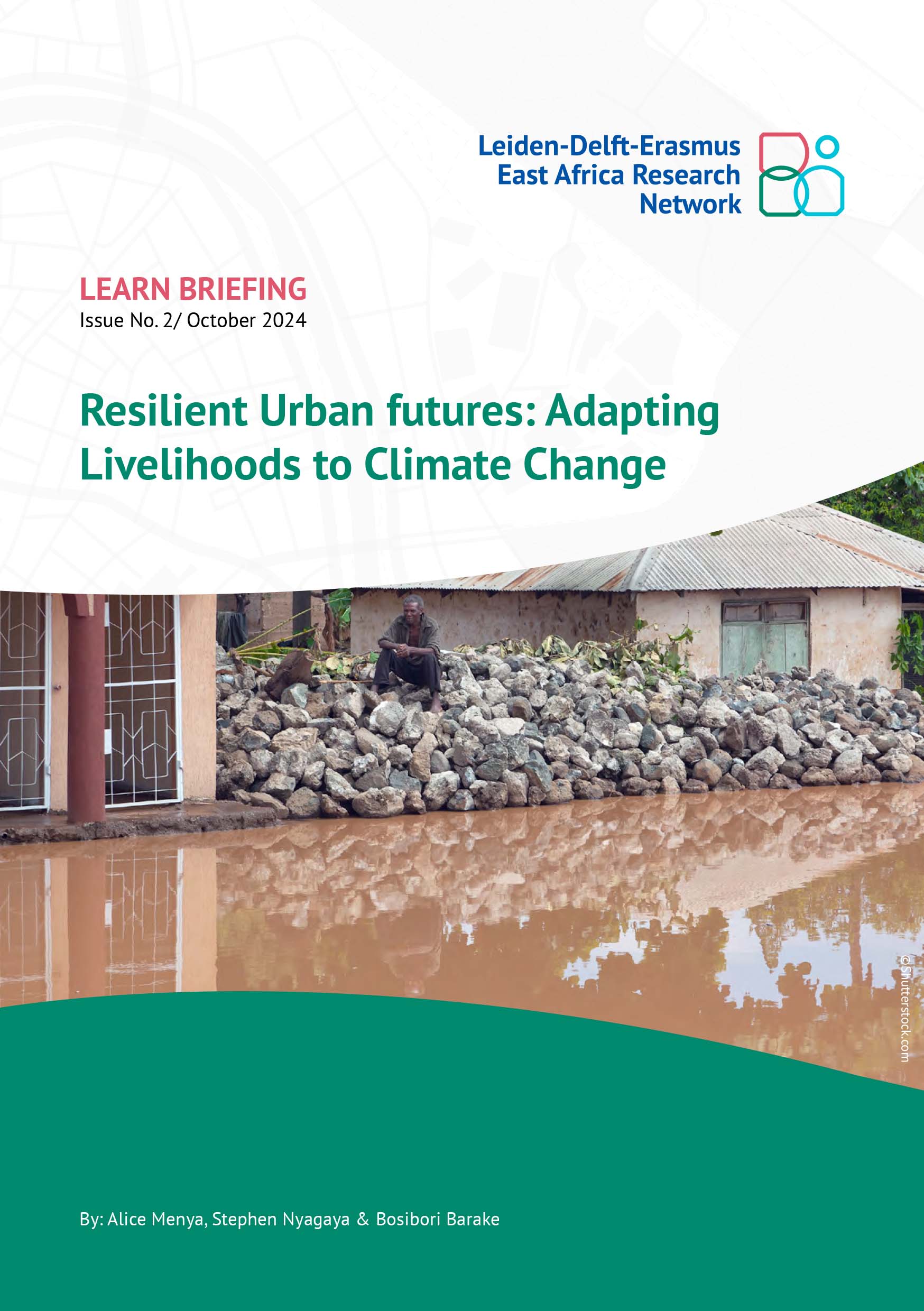
Resilient Urban Futures: Adapting Livelihoods to Climate Change
East African cities face growing climate-related challenges, exacerbated by rapid urbanisation. Issues such as rising temperatures, erratic rainfall, droughts, and flooding put significant pressure on infrastructure, livelihoods, and social well-being.
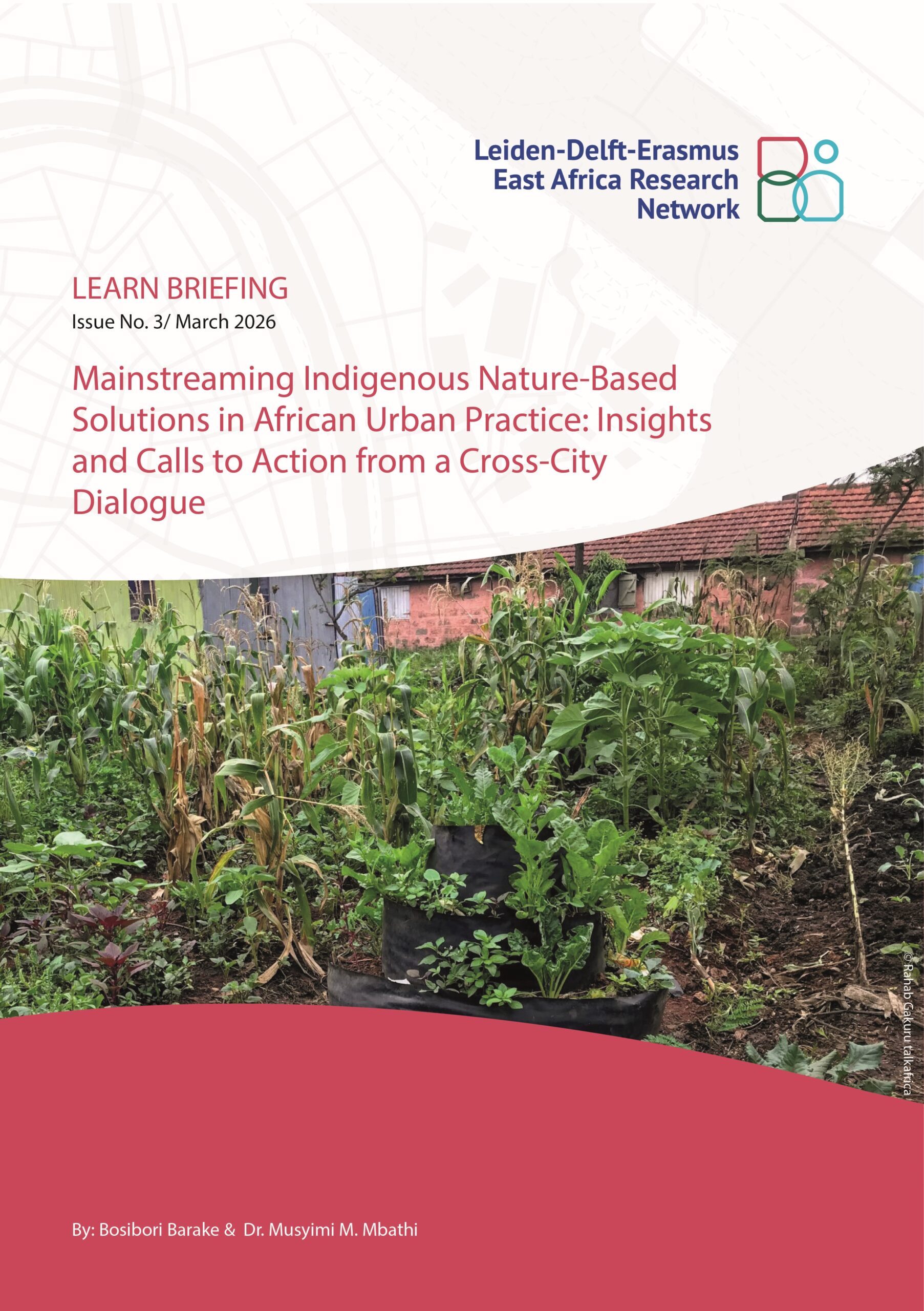
Mainstreaming Indigenous Nature-Based
Solutions in African Urban Practice: Insights
and Calls to Action from a Cross-City
Dialogue
Nature-based Solutions are actions that protect, manage and restore ecosystems while addressing societal challenges. They are rooted in the traditional ecological knowledge of indigenous peoples and local communities. Across Africa, practices such as water harvesting, sacred forests and rotational grazing have sustained both communities and ecosystems for generations.
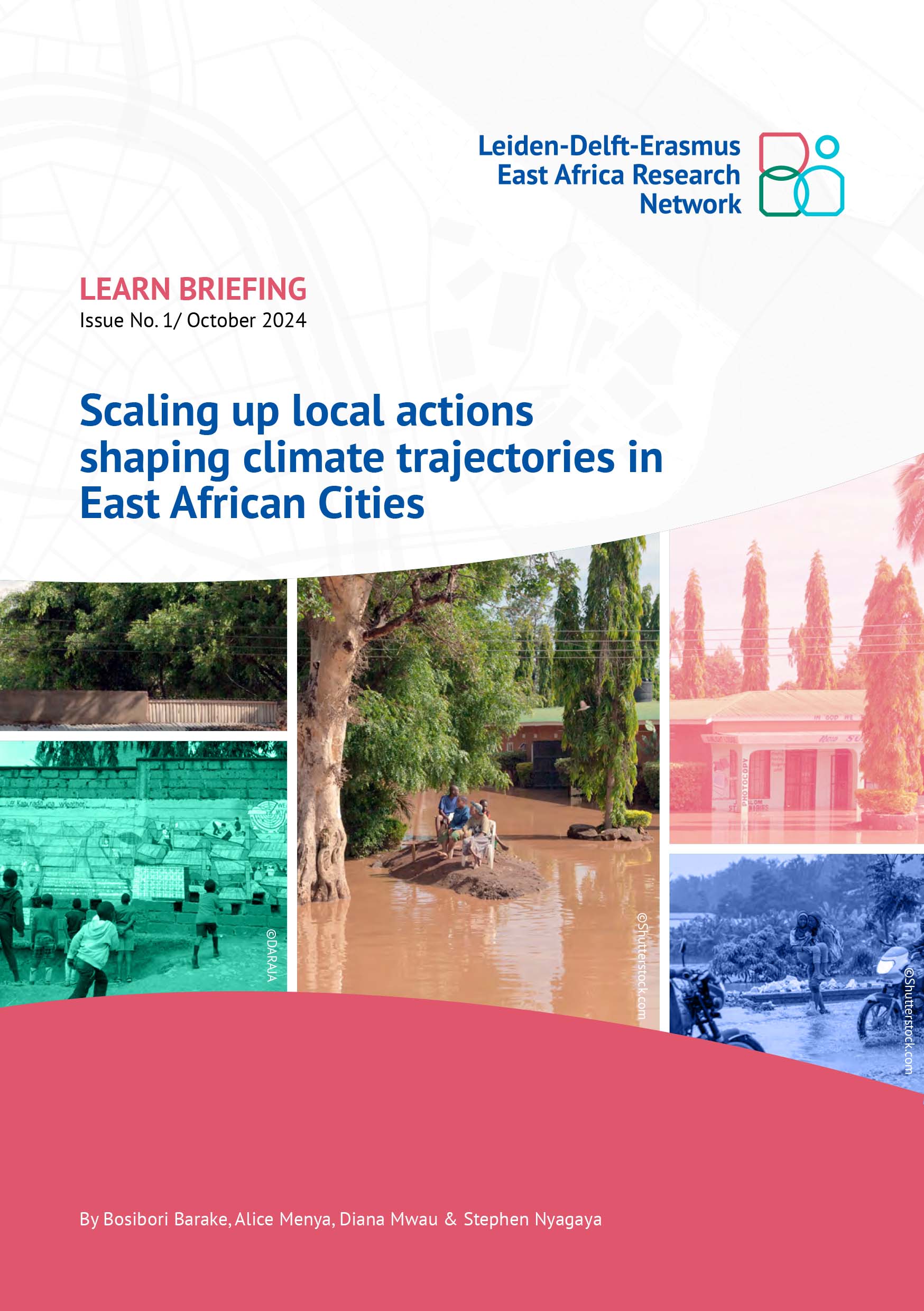
Scaling up local actions shaping climate trajectories in East African Cities
Climate change in East Africa has far-reaching effects that manifest both in large-scale disruptions and in smaller, daily inconveniences that often go unnoticed. Locally Led Adaptation (LLA) emphasises the importance of local people having control.
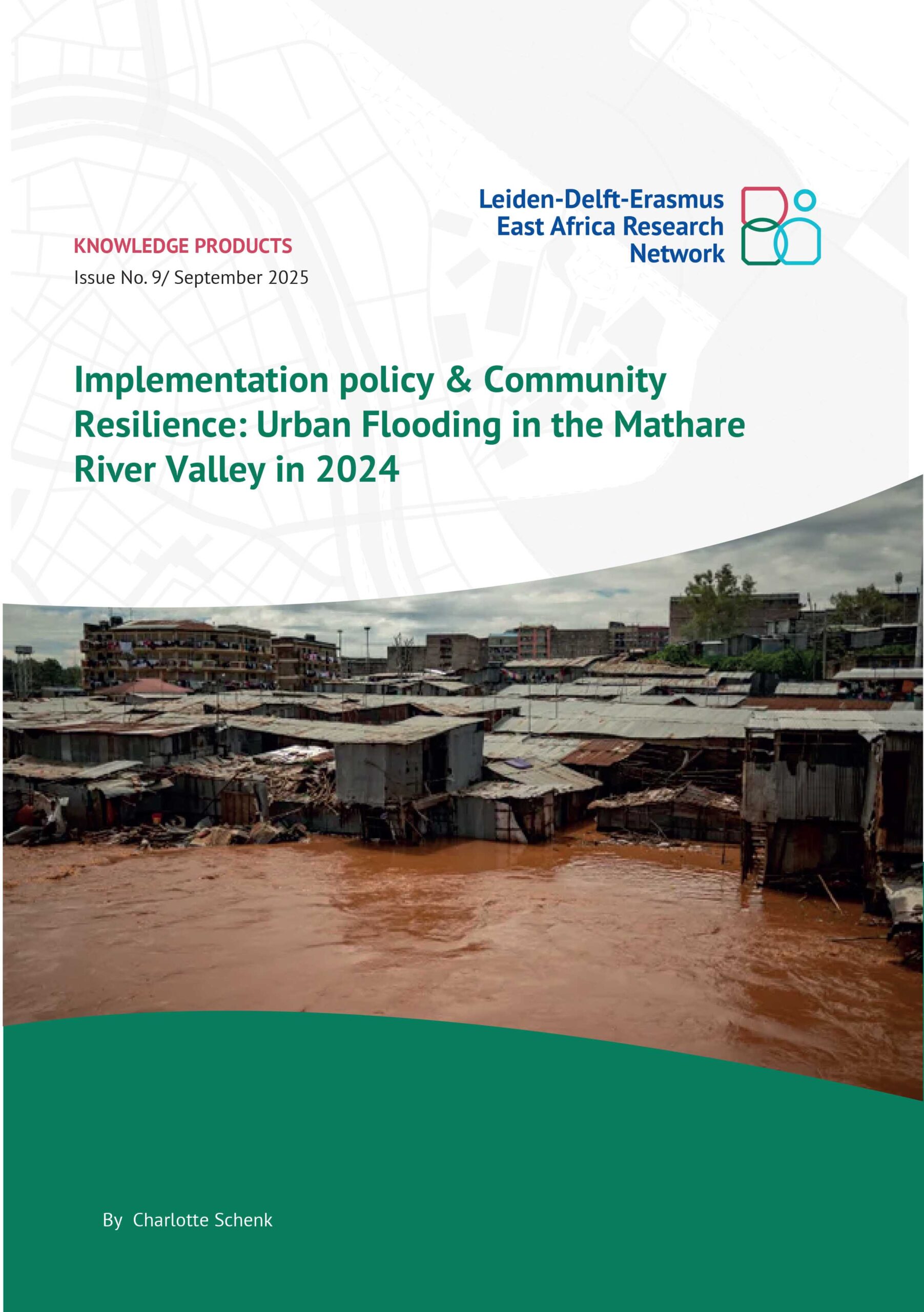
Implementation policy & Community Resilience: Urban Flooding in the Mathare River Valley in 2024
This thesis analyses the implementation of devolution and disaster risk management policies by the national and county governments of Kenya and projects the findings onto a case study of the urban flooding in the Mathare River Valley in 2024.
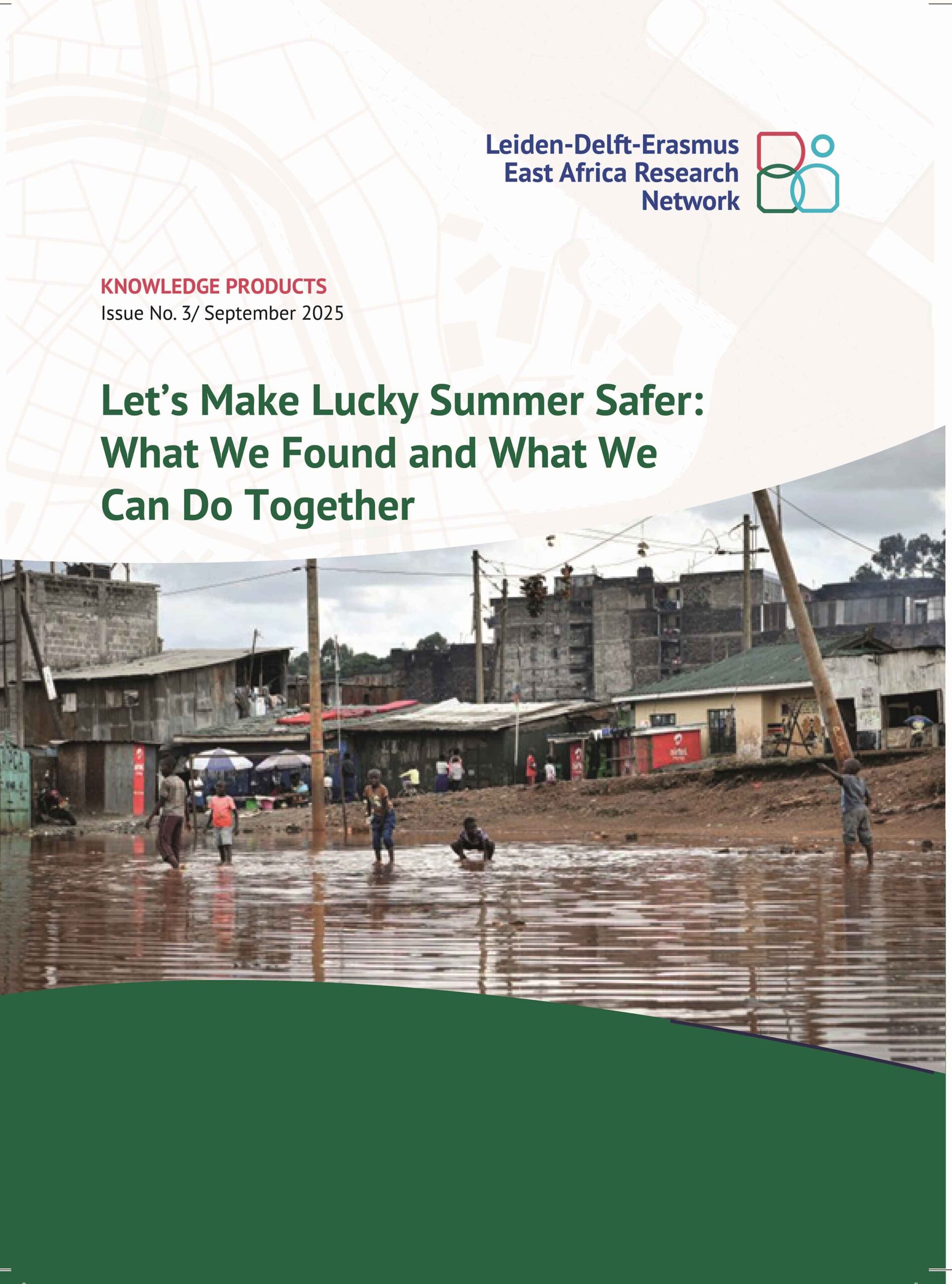
Disasters affect everyone but not equally. In fast-growing urban settlements like Lucky Summer, disasters such as floods, fires, and disease outbreaks are not distant possibilities, they are lived realities. This toolkit responds to the urgent need to equip communities with practical, locally relevant skills and knowledge to reduce, and recover from disaster events.
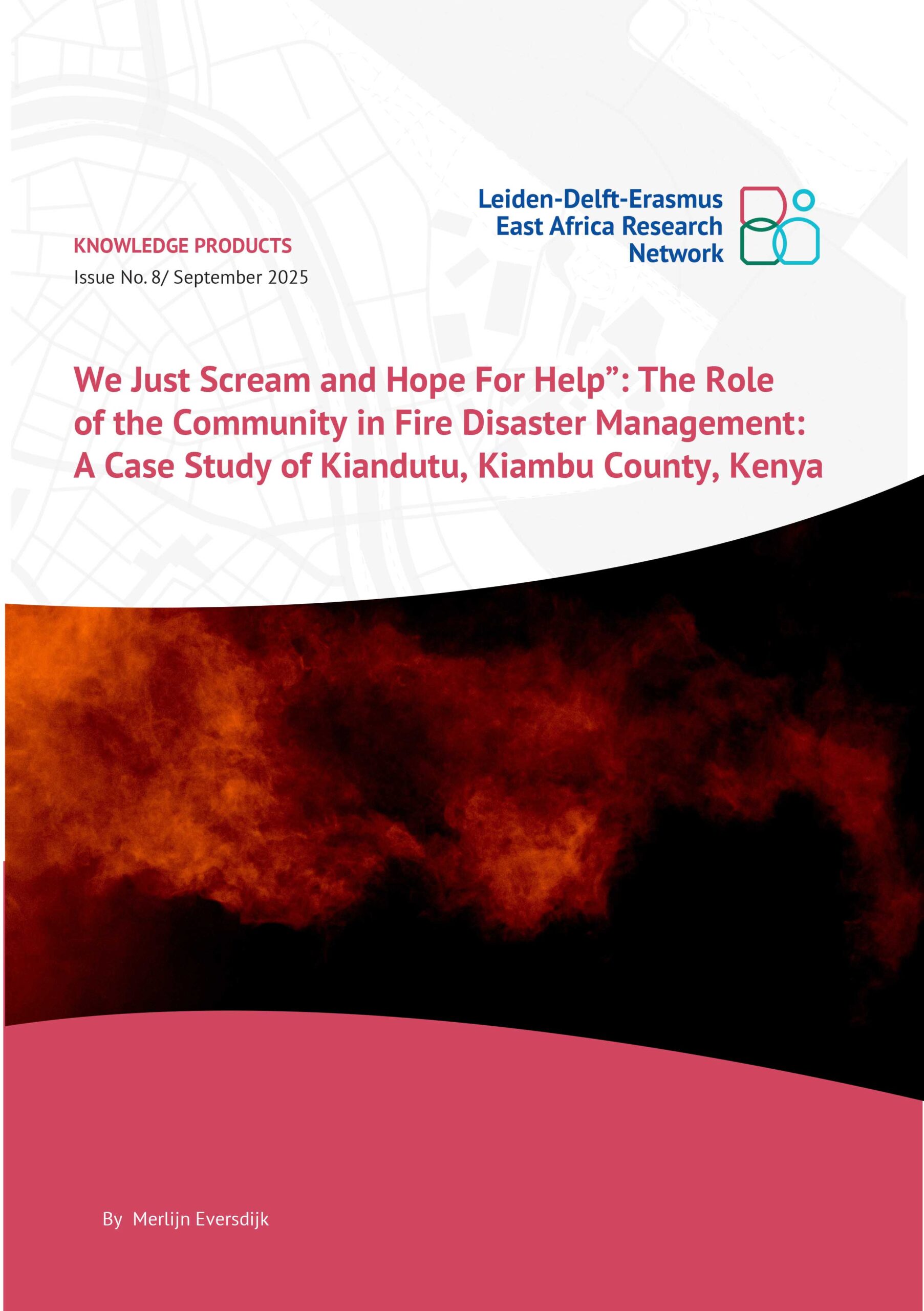
“We Just Scream and Hope for Help”: The Role of the Community in Fire Disaster Management: A Case study of Kiandutu, Kiambu County, Kenya
This investigated how the community in Kiandutu, an informal settlement on the outskirts of Thika, Kenya, responds and prepares for the recurring threat of fire disasters.
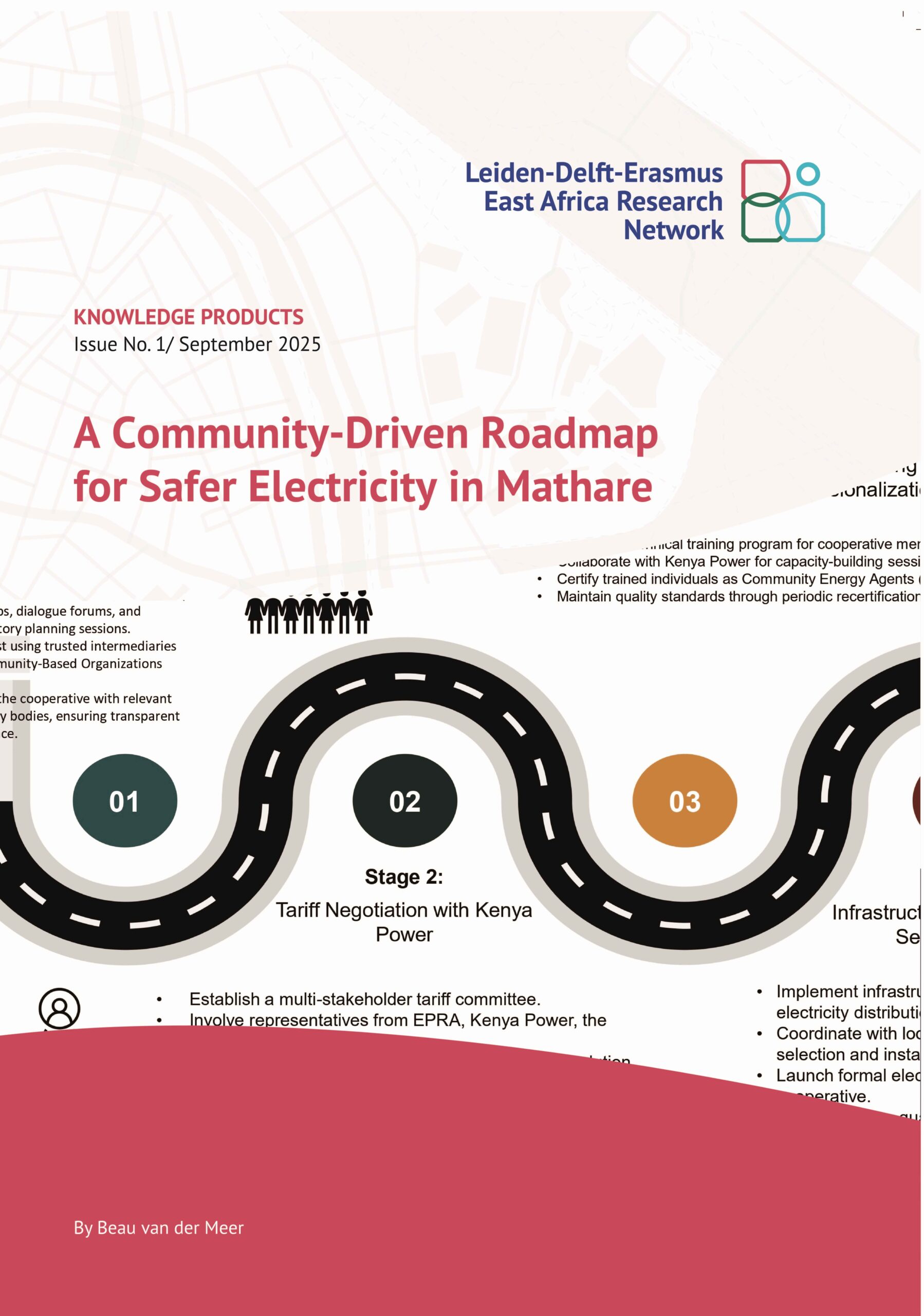
A Community-Driven Roadmap for Safer Electricity in Mathare
A Community-Based Energy Cooperative (CBEC) roadmap. This approach turns informal providers into certified Community Energy Agents (CEAs), aligns tariffs with community affordability, and ensures transparent governance.
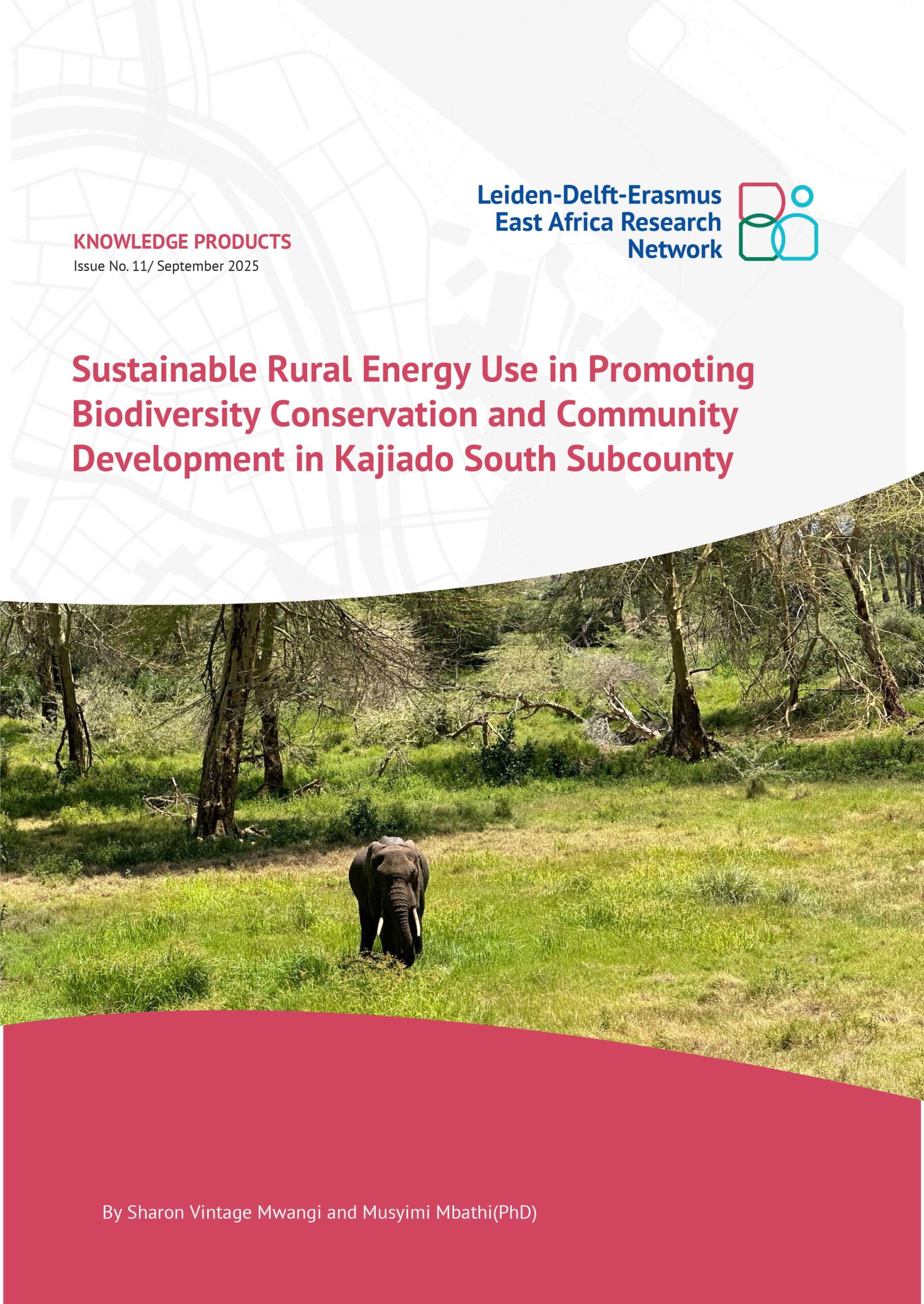
Rural Energy Use in Promoting Biodiveristy Conservation and Community Development in Kajiado South Subcounty
Kajiado South Sub-County is located in the southeastern part of Kenya and forms part of the country’s expansive arid and semi-arid lands (ASALs). Several group ranches lie within this sub-county, among them the Kuku Group Ranch.
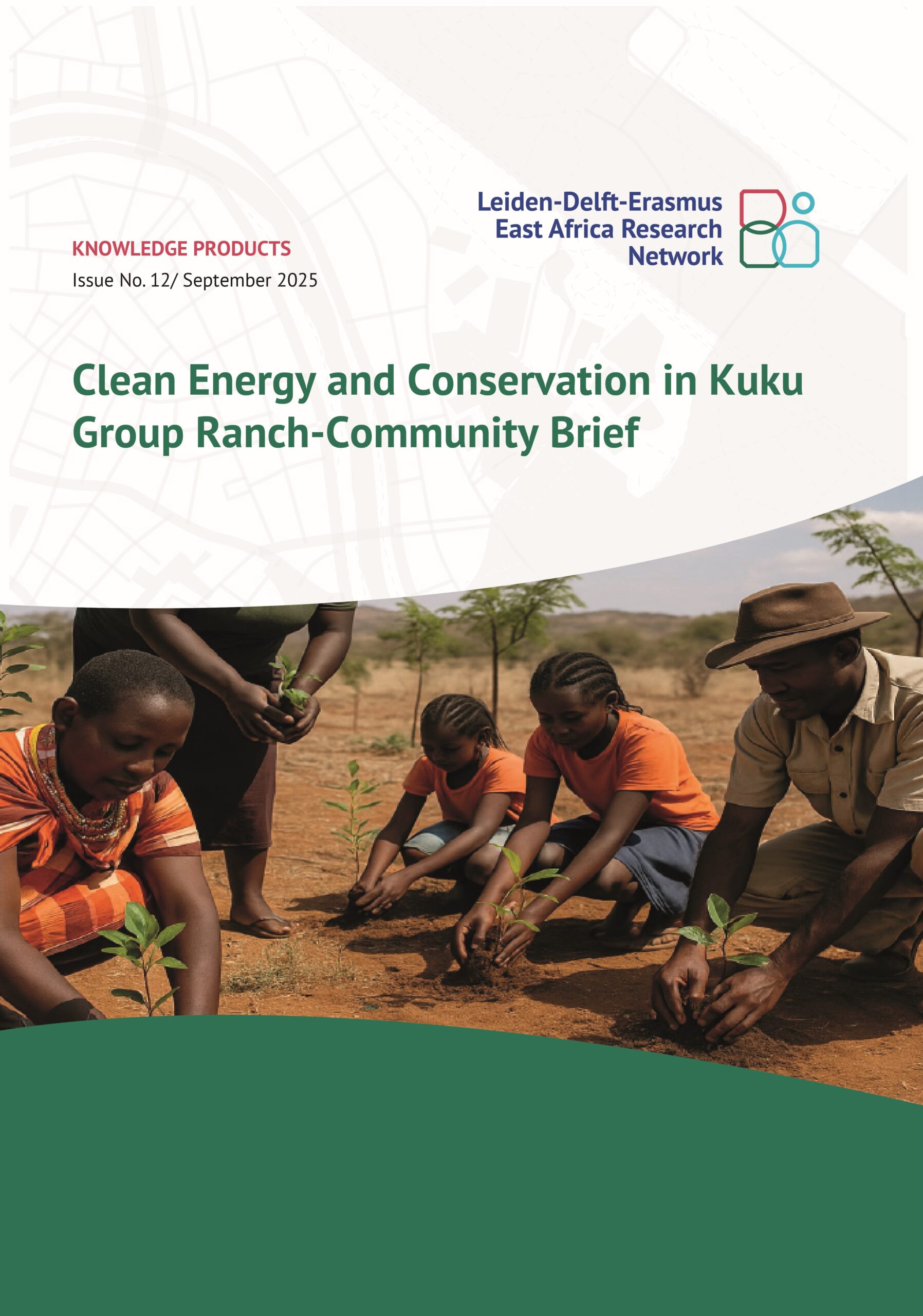
Clean Energy and Conservation in Kuku Group Ranch-Community Brief
This community brief focuses on clean energy and conservation efforts within Kuku Group Ranch, a Maasai pastoralist community located in southern Kenya near Amboseli National Park.
Rural Energy Use in Promoting Biodiveristy Conservation and Community Development in Kajiado South Subcounty
Kajiado South Sub-County is located in the southeastern part of Kenya and forms part of the country’s expansive arid and semi-arid lands (ASALs). Several group ranches lie within this sub-county, among them the Kuku Group Ranch.
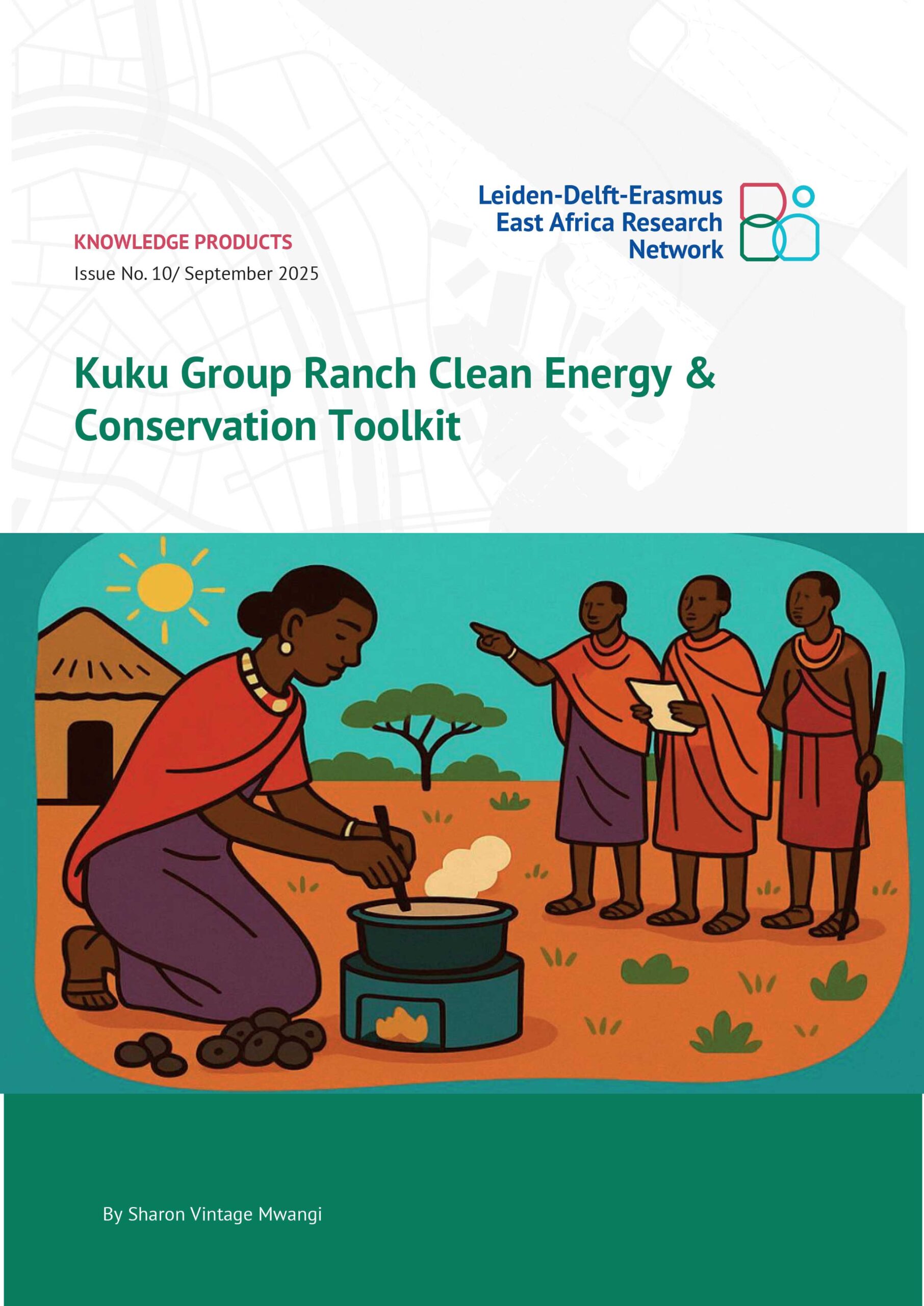
Kuku Group Ranch Clean Energy & Conservation Toolkit
This toolkit is the product of shared dreams and grounded knowledge crafted by researchers, community members, and partners working hand in hand to explore how clean energy, forest conservation, and local leadership can shape a healthier, more hopeful tomorrow.
Clean Energy and Conservation in Kuku Group Ranch-Community Brief
This community brief focuses on clean energy and conservation efforts within Kuku Group Ranch, a Maasai pastoralist community located in southern Kenya near Amboseli National Park.
Tune in as we dig deep into the big issues shaping our cities today. Join us as we chat with experts, uncover innovative solutions, and explore the path to greener, smarter, and fairer urban living.