The inaugural AUF1 that took place in Addis Ababa in September 2024, established a foundational continental platform under the theme “Sustainable Urbanization for Africa’s Transformation: Agenda 2063,” adopting the first AUF Declaration. AUF2 was successfully convened in Nairobi, Kenya, from April 8th to 10th, 2026. The event served as a critical continental platform to address the challenges and opportunities presented by Africa’s rapid urbanization.
The theme of the forum, “Adequate Housing for All: Advancing Socio-economic and Environmental Transformation towards the Realization of Agenda 2063,”directly positioned urban development as a non-negotiable prerequisite for Africa’s long-term prosperity. By linking shelter to socio-economic and environmental goals, the forum argued that well-planned cities are essential for industrial growth, job creation and climate resilience, directly supporting Agenda 2063’s aspirations for high living standards and well-being.
For Africa as a whole, this focus is critical given that the urban population is projected to double from 700 million to 1.4 billion by 2050 according to the African Urban Dynamics report 2025; managing this growth through adequate housing is the only way to prevent instability and ensure that urbanization fuels, rather than undermines, continental development. For Kenya, this theme is particularly important as it validates and provides a continental platform for the government’s flagship Affordable Housing Programme (AHP).
The president highlighted this initiative as a central pillar of Kenya’s development agenda, demonstrating how housing delivery can simultaneously address the national deficit, create millions of jobs, stimulate local manufacturing and restore human dignity to informal settlement dwellers, thereby positioning Kenya as a model for how national policy can drive continental goals.
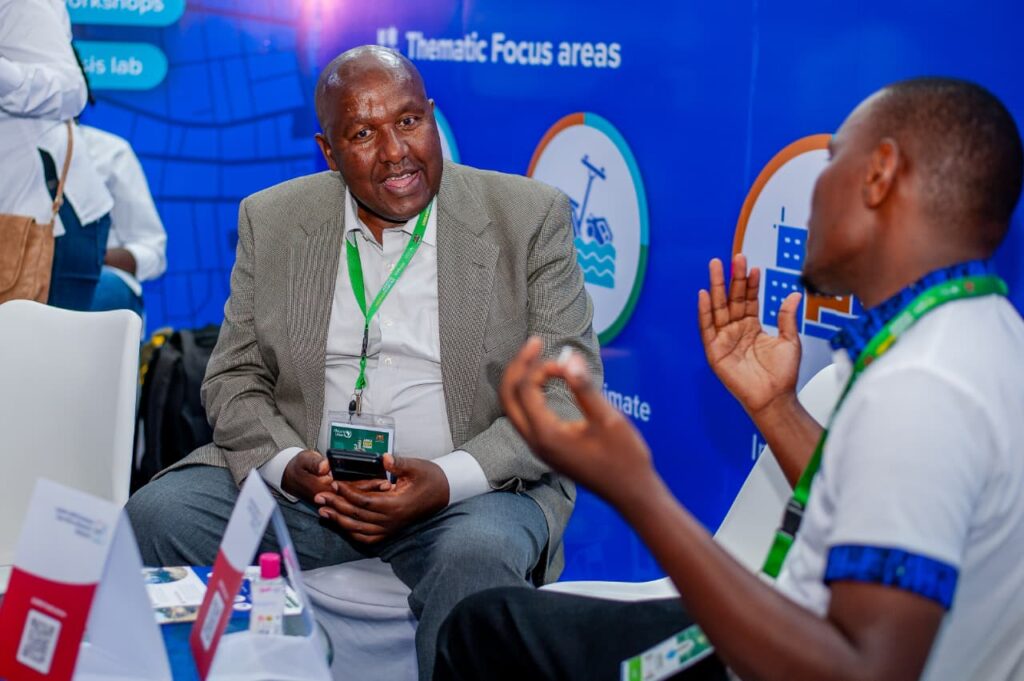
As part of our engagement at the AUF, we hosted an interactive booth in the exhibition hall with the primary aim of meaningful conversations. We engaged with practitioners, policymakers, researchers, and community leaders who stopped by. During the forum, we connected with urban planners, engineers, architects, policymakers, waste picker associations, youth-led groups, community-based organisations, and fellow researchers from across the continent. We met people from Ethiopia, Tanzania, Uganda, Kenya, Burkina Faso, Rwanda, Senegal, Congo, and Djibouti.